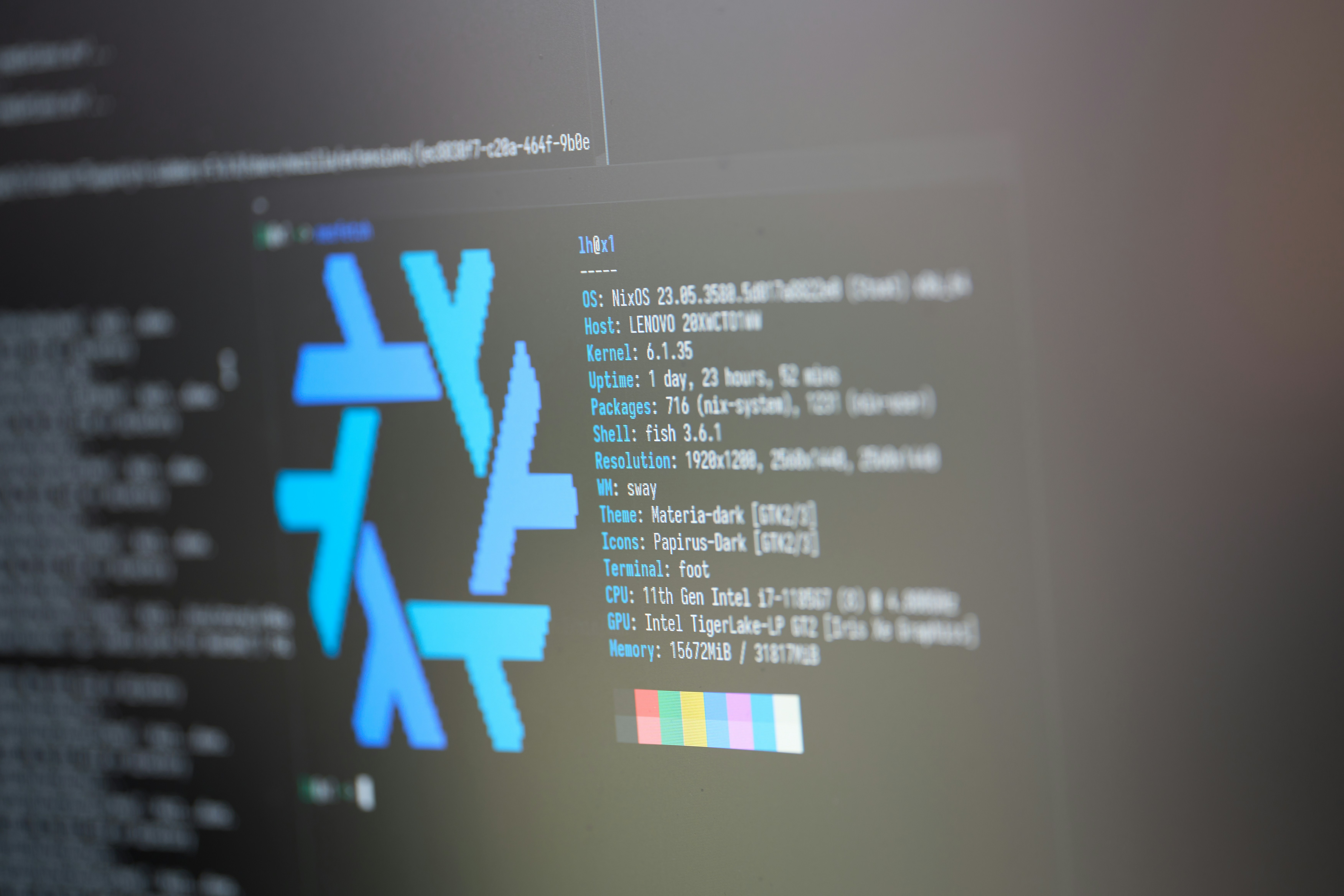
This is a re-release from my original article on Medium
Introduction
In the ever-evolving landscape of technology, the way we learn and interact with computers plays a pivotal role in shaping our understanding of the digital realm.
Recent trends indicate a growing struggle among younger individuals in the workforce, particularly in adapting to the intricacies of technology, as noted in surveys.
In this blog post, we delve into the idea that people should have learned computers through Linux, challenging the conventional path paved by more user-friendly systems created by Apple and Microsoft.
Unveiling the Struggles of Streamlined Interfaces
Modern operating systems have undoubtedly made computing accessible to a broader audience.
However, this streamlined approach comes at a cost.
The ease of use masks the underlying complexities of the digital ecosystem, leaving users with a superficial understanding of their machines.
This is particularly evident in the professional sphere, where younger individuals often find themselves at a disadvantage when faced with the diverse and intricate demands of the modern workforce.
The Security Maze
As we advocate for learning computers through Linux, it is crucial to juxtapose the security concerns inherent in Windows to highlight the advantages that Linux brings to the forefront.
1. Vulnerability to Malware and Viruses
Windows, due to its widespread usage, has become a prime target for malware and viruses.
The prevalence of these security threats poses a significant risk, especially for users who might need to be better versed in implementing robust security measures.
Learning computers through Linux introduces a different paradigm, where the openness of the system allows for more transparency and user control over potential security risks.
2. Dependency on Anti-virus Software
The common reliance on built-in or third-party anti-virus software to mitigate security risks in Windows is emblematic of the inherent vulnerabilities.
Linux, on the other hand, adopts a proactive security approach by design.
The decentralized nature of Linux distributions, coupled with the rigorous permission systems, significantly reduces the susceptibility to malware attacks.
3. Forced Updates and Privacy Concerns
Windows often enforces updates that can disrupt workflows and sometimes introduce issues.
This forced update model not only poses inconveniences but also raises privacy concerns.\
Linux, being open-source, grants users greater control over updates, allowing for a more tailored experience.
Learning computers through Linux emphasizes the importance of maintaining control over your system, mitigating the risks associated with automatic and sometimes intrusive updates.
4. Closed-Source Nature
Windows, being a closed-source operating system, limits users’ ability to scrutinize the code for potential vulnerabilities.
This lack of transparency contrasts sharply with the open-source nature of Linux, where the community actively reviews codebase.
Learning computers through Linux encourages a security-conscious mindset, where users actively participate in securing their systems and contribute to improving the overall security posture.
The Philosophical Approach of Linux
Linux, the open-source operating system stands as a bastion of user empowerment.
Learning computers through Linux is akin to embarking on a philosophical journey, where one is compelled to explore the inner workings of the operating system.
Unlike its more user-friendly counterparts, Linux lays bare the complexities, encouraging users to comprehend the intricate relationships between hardware and software.
Understanding the Underpinnings
Linux often forces users to dive deep into the command line, unraveling the mysteries of system commands.
This hands-on experience fosters a profound understanding of the intricate web of processes that govern the functioning of an operating system.
Linux users gain unparalleled insights into the foundational elements that drive their machines.
This usage of command line interfaces in Linux could be a driving force for a new wave of software engineers.
The Case for Widespread Linux Adoption
By encouraging individuals to learn computers through Linux, we promote a culture of curiosity, resilience, and a genuine interest in comprehending the technology we so heavily depend on.
This spirit of collaboration not only builds technical proficiency but also instills a sense of ownership and responsibility toward the digital landscape.
Conclusion
In a world dominated by user-friendly interfaces, the call for learning computers through Linux is a call for a deeper, more profound connection with technology.
It’s a call to empower minds, fostering a generation of individuals who not only use computers but truly understand them.